

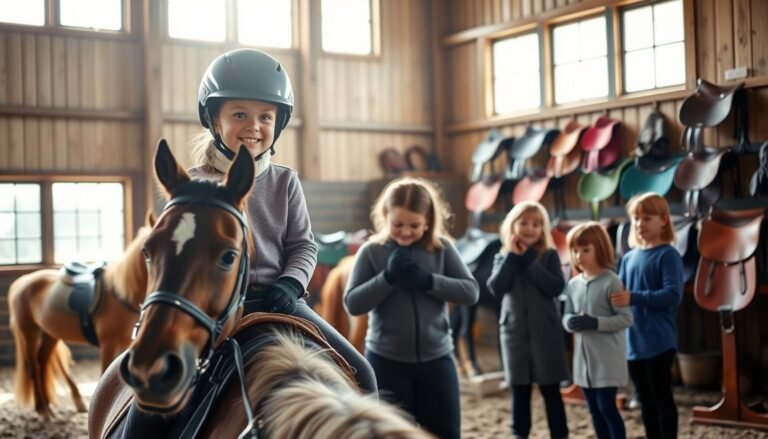
Best horse riding helmet for kids :
As a parent, keeping your child safe is top priority, even more so when they’re riding horses. It’s comforting to know they’re safe while they enjoy their hobby. But, it’s important to take the right steps to protect them.
Safety is key in horse riding. Our guide will show you how to pick the best safety gear for your child. Equestrian helmets are made to protect your child’s head. They have advanced safety features and meet strict standards.
Key Takeaways
- Understanding the importance of safety gear in equestrian activities
- Key features to look for in a horse riding helmet
- How to ensure a proper fit for your child’s helmet
- Industry standards for equestrian helmets
- Tips for maintaining your child’s helmet
Importance of Horse Riding Helmets for Kids
As a parent, keeping your child safe while riding horses is key. One important safety step is wearing a children’s horseback riding helmet. Riding horses can be dangerous, mainly for kids, because of the unpredictable nature of horses and the chance of falls.
The world of horse riding takes safety seriously, and helmets are a big part of that. Helmets go through tough tests to make sure they protect well. These tests include 16 lab tests that mimic different fall scenarios to check if helmets meet safety standards.
The Role of Safety in Equestrian Sports
Horse riding sports have risks, but the right safety gear can help a lot. A top rated kids riding helmet is made to soak up impact and protect the head in case of a fall.
Common Risks Associated with Riding
There are many dangers in horse riding, like falling off, being thrown, or kicked. The head is the most at-risk area, making helmets very important.
The dangers of horse riding for kids include several areas, such as:
| Risk Category | Description | Mitigation Measure |
|---|---|---|
| Falls from the Horse | Loss of balance or being thrown off | Wearing a properly fitted helmet |
| Being Kicked or Trampled | Accidental kicks or being trampled by the horse | Proper training and supervision |
Benefits of Wearing a Helmet
Wearing a helmet while riding horses has many benefits. It lowers the risk of head injury, boosts the rider’s confidence, and follows safety rules or guidelines.
The main benefits are:
- Reduced Risk of Head Injury: Helmets help absorb impact, lowering the chance of serious head injuries.
- Increased Confidence: Helmets make young riders feel safer, improving their riding experience.
- Compliance with Safety Guidelines: Many places and competitions require helmets, so wearing one ensures you follow the rules.
Understanding the importance of safety in horse riding and the role of helmets helps parents protect their kids.
Key Features to Look for in a Kids’ Riding Helmet
Choosing the right kids helmet for horse riding is more than just picking a cool design. It’s about keeping your child safe and comfortable. When picking a youth horse helmet, look for certain key features to ensure your child’s safety and comfort while riding.
Safety Ratings and Certifications
The first thing to look at is the helmet’s safety rating and certification. Make sure the helmet meets or exceeds standards from organizations like the ASTM (American Society for Testing and Materials) or SEI (Safety Equipment Institute). These standards mean the helmet has been tested for impact resistance and durability.
Adjustable Fit Systems
An adjustable fit system is key to keeping the helmet in place. A good helmet should fit snugly and have an adjustable harness. This ensures comfort and maximum protection for your child.
Weight and Comfort Considerations
The helmet’s weight and comfort are also important. A lighter helmet is easier on your child’s neck and makes riding more comfortable. Look for helmets with ventilation systems to keep your child’s head cool. Also, consider helmets with removable and washable liners for hygiene.
To help you choose, here’s a comparison table of key features to look for in a kids’ riding helmet:
| Feature | Description | Importance |
|---|---|---|
| Safety Certifications | ASTM or SEI certified | High |
| Adjustable Fit | Customizable harness system | High |
| Weight | Lightweight materials | Medium |
| Ventilation | Good airflow system | Medium |
| Comfort Liners | Removable and washable liners | Medium |
By looking at these key features and following the steps outlined, you can find a youth horse helmet that is safe and comfortable for your child.
Top Brands for Kids’ Horse Riding Helmets
Parents looking for a safe riding helmet for kids have many good options. These brands focus on safety and style. They make helmets that are safe and fun for kids.
Troxel: A Trusted Name in Safety
Troxel is known for making helmets that are safe and comfy. They have models like the Spirit and Dynasty. These helmets are loved by kids for being tough and cool.
IRH: Innovative Designs for Young Riders
IRH is famous for its cool designs for kids. Their helmets are safe and stylish. Kids and parents both love them.
Ovation: Style Meets Functionality
Ovation helmets mix style with usefulness. They have models like the Sport2.0. It’s known for being well-ventilated and comfy.
When picking a best children’s equestrian helmet, think about safety, fit, and comfort. Troxel, IRH, and Ovation are top choices. They offer many models to fit different needs and tastes.
How to Properly Fit a Riding Helmet for Kids
Fitting a riding helmet right for kids is key to avoiding head injuries in horse riding. A well-fitting helmet can greatly lower injury risks. It’s a must-have safety item for young riders.
Measuring Your Child’s Head
To get the right fit, start by measuring your child’s head. Use a flexible tape measure around the widest part, just above the eyebrows and ears. Then, check the manufacturer’s size chart to find the correct helmet size.
Tips for Measuring:
- Use a flexible tape measure for an accurate circumference.
- Measure in a quiet, distraction-free area to ensure accuracy.
- Take multiple measurements to confirm consistency.
Ensuring the Right Size and Fit
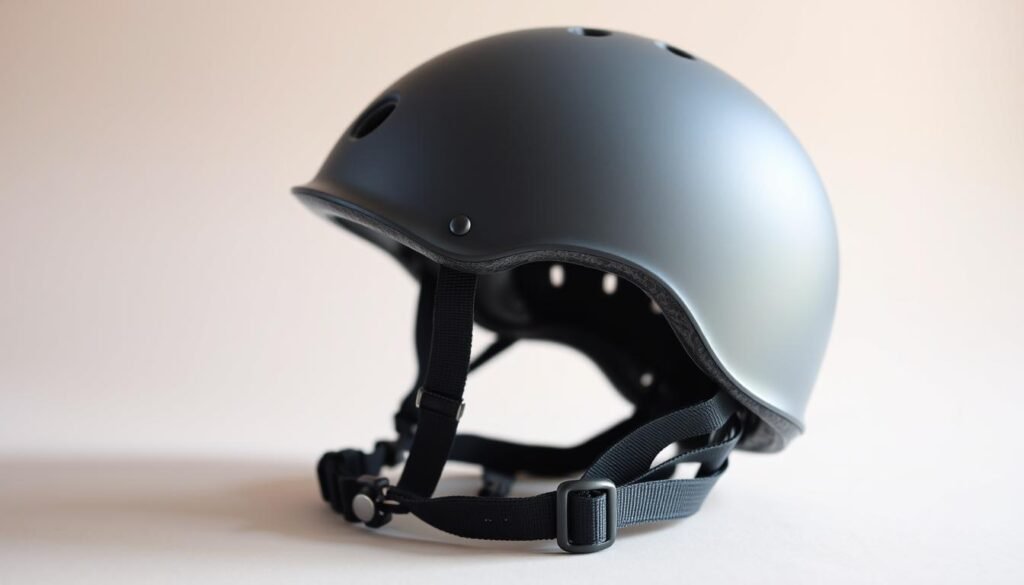
After finding the correct size, try the helmet on your child. The helmet should sit level, not tilted back or forward. It should be snug but not too tight, with the straps forming a “V” shape just below the ears.
Checking the Fit:
- Ensure the helmet is level and not tilted.
- Check that the straps are comfortable and form a “V” shape.
- Verify that you can fit one or two fingers between the strap and the chin.
Tips for Adjusting the Harness
Adjusting the harness is key for a secure fit. The straps should be snug and evenly adjusted. Make sure the chin strap is tightened enough that it doesn’t move around but is comfortable.
| Adjustment | Description | Check |
|---|---|---|
| Side Straps | Form a “V” shape below the ears | Comfortable, not too tight |
| Chin Strap | Snug against the chin | One or two fingers fit underneath |
| Helmet Position | Level on the head | Not tilted back or forward |
By following these steps, you can ensure your child’s riding helmet fits right. This gives them the best protection while enjoying horse riding.
Styles of Kids Horse Riding Helmets
Choosing the right kids’ horse riding helmet is key. It must be safe and stylish. This way, the helmet protects the child and looks good too. Parents can pick a helmet that matches their child’s style while keeping safety in mind.
Classic Leather vs. Modern Materials
Older helmets were made of leather, known for their durability and classic look. But now, there are lighter, breathable, and safe materials. For example, the Dynasty helmet is popular for its cool designs and light weight.
Today’s helmets use advanced materials for better comfort and safety. They might have vents, shock-absorbing liners, and adjustable fits. This ensures kids stay safe and comfortable while riding.
Fun Designs and Colors for Kids
Kids’ riding helmets come in many fun designs and colors. This makes it easy for kids to find a helmet that fits their personality. Bright colors and themed designs make riding more fun for them.
Letting kids pick their helmet makes them more likely to wear it. It makes the helmet more appealing and teaches them to wear their safety gear.
Ventilation Features for Comfort
Ventilation is important in kids’ helmets to keep their head cool. Helmets with good ventilation systems are more comfortable. They help reduce sweat and discomfort, making kids more likely to wear them.
When picking a helmet, look for ones with many vents and breathable materials. These features make riding more comfortable, even on long rides or in warm weather.
Maintenance and Care for Horse Riding Helmets
Keeping a best children’s equestrian helmet in top shape is key. Regular care ensures the helmet stays safe and effective for young riders.
Cleaning Your Child’s Helmet
Cleaning the helmet often is vital. Use a soft cloth and mild soap for the outside and inside. Stay away from harsh chemicals or rough materials that could harm the helmet.
Tips for Cleaning:
- Take out any removable parts like padding or visors and clean them separately.
- Use a damp cloth to clean off dirt and sweat.
- Let the helmet dry completely before putting it back together.
When to Replace a Helmet
It’s important to know when to get a new helmet. If a helmet has been in a crash or has been hit hard, it should be replaced right away. This is because it might not protect well in future accidents.
Signs It’s Time to Replace:
- Visible cracks or dents in the shell.
- Worn-out padding or straps.
- The helmet no longer fits right.
Storing a Helmet Safely
Storing the helmet right is key to keeping it in good shape. Keep it in a cool, dry spot, away from sunlight. Don’t leave it in a hot car or near a heating vent, as it can get damaged by extreme temperatures.
Storage Tips:
| Storage Method | Benefits |
|---|---|
| Helmet Bag | Protects from dust and scratches |
| Cool, Dry Place | Prevents damage from extreme temperatures |
| Away from Direct Sunlight | Reduces fading and material degradation |
By following these care tips, your child’s helmet will stay safe and comfy for their riding. This ensures they can enjoy their equestrian activities without worry.
FAQs About Kids’ Riding Helmets
Parents often wonder about kids’ riding helmets. They ask about safety standards and the right fit. Knowing these things is key to keeping kids safe and comfortable while riding horses.
What Age Should Kids Start Wearing Helmets?
Children should wear kids helmet for horse riding from the start of riding, usually around 3 or 4 years old. At this age, they are more likely to fall. A helmet can greatly lower the risk of head injury.
How Often Should You Replace a Helmet?
A safe riding helmet for kids needs to be replaced every 3 to 5 years or after a big impact. Helmets can lose their effectiveness over time. It’s also good to check them regularly for wear and tear.
Are Expensive Helmets Worth the Investment?
More expensive helmets might have better features and materials. But, what’s most important is if they meet safety standards. It’s important to find a balance between cost, safety, and comfort.
When picking a helmet, think about fit, ventilation, and extra safety features. A helmet that fits well and is comfy will make kids more likely to wear it. This boosts safety during rides.
Transitioning from a Beginner to an Advanced Helmet
Moving from a beginner to an advanced helmet is more than just a style change. It’s about improving safety for young riders. As kids get better at riding, their helmets need to keep up with their growing needs.
Recognizing When It’s Time to Upgrade
It’s time for a new helmet when your child has outgrown their old one. Or when they’ve gotten much better at riding. Make sure their helmet fits right and matches their riding level.
Also, if your child starts doing more complex riding or competitions, they’ll need a helmet with better protection. This includes features like better air flow and a secure fit.
Features for Young Equestrians Advancing in Skill
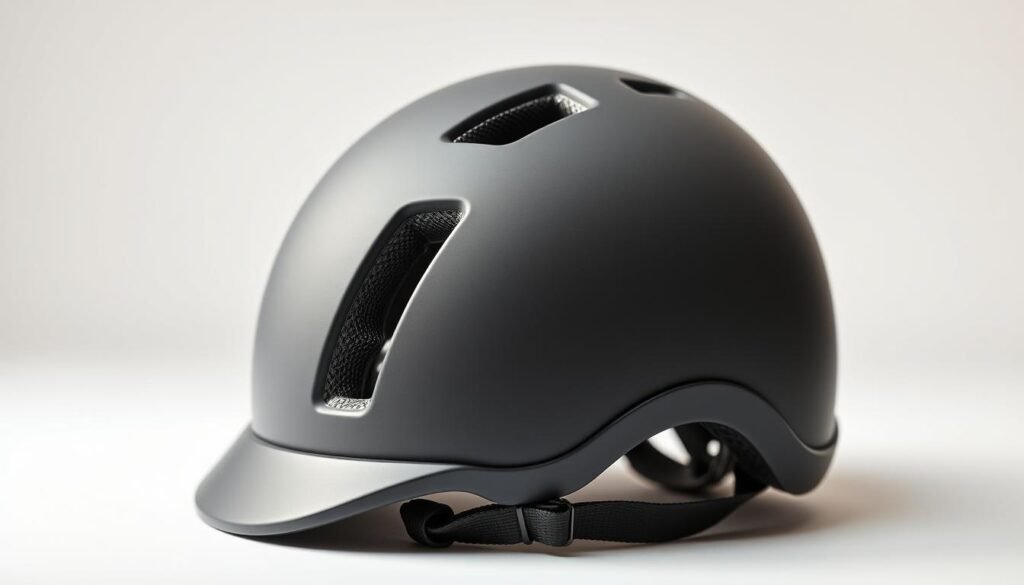
Advanced helmets for kids have cool features like better air flow, adjustable fits, and extra padding. These help keep them safe and comfortable while riding.
| Feature | Description | Benefit |
|---|---|---|
| Improved Ventilation | Enhanced airflow to keep the rider’s head cool | Increased comfort during long rides |
| Adjustable Fit System | Customizable fit to accommodate growing heads | Better protection and comfort |
| Additional Padding | Extra cushioning for shock absorption | Enhanced safety and comfort |
New Safety Standards to Consider
When you’re looking for a new helmet, make sure it meets the latest safety standards. Look for certifications from groups like the ASTM or SEI. These show the helmet has passed tough safety tests.
New safety standards include better impact resistance and coverage. They also have improved strap systems for a snug fit. Choosing a helmet that meets these standards is key for your child’s safety.
Knowing when to upgrade and what to look for helps parents keep their kids safe. This is important as they grow in their equestrian journey.
Real Parent Testimonials on Kids’ Riding Helmets
Real parent testimonials give us a peek into the world of kids’ riding helmets. They help us understand what works best. Many parents have shared their stories, giving us valuable insights into equestrian safety gear for kids.
Safety Experiences and Recommendations
Parents who’ve used different helmets often talk about safety. Sarah from California said her daughter’s Troxel helmet saved her head after a fall. Stories like hers show why a good helmet is key.
John praised his son’s IRH helmet for its adjustable fit. He said it was both comfy and secure. These stories remind us that safety and comfort go hand in hand in helmets.
Favorite Brands Among Parents
Some brands get a lot of love in parent reviews. Troxel, IRH, and Ovation are often mentioned. They’re known for their top-notch kids’ riding helmets.
- Troxel is known for its strict safety standards and lasting build.
- IRH is loved for its cool designs that kids enjoy.
- Ovation is praised for its stylish helmets that don’t skimp on safety.
Tips From Experienced Equestrians
Experienced riders stress the importance of a good fit and upkeep. Emily, an equestrian coach, says to always measure your child’s head before buying a helmet. She advises to make sure it fits snugly and follows the manufacturer’s guidelines.
“The right helmet can make all the difference in your child’s riding experience. It’s worth investing time in finding the perfect fit.”
Listening to other parents can help you choose the best helmet for your kids. It’s all about making an informed choice.
Conclusion: Choosing the Right Helmet for Your Child
Choosing the right horse riding helmet for your child is key for their safety and comfort. A top-rated kids riding helmet can greatly lower the risk of head injuries. Look for helmets with safety certifications, adjustable fits, and good ventilation.
Safety and Comfort Considerations
A helmet that fits well is vital for your child’s safety and comfort. Search for helmets with adjustable harnesses and padding for a secure fit. Brands like Troxel and IRH offer high-quality helmets that meet safety standards and are comfortable for young riders.
Encouraging Safe Riding Practices
Teaching your child the importance of wearing a helmet while riding is essential. Encourage them to wear their helmet correctly and always. This helps teach safe riding practices that will last a lifetime.
Making an Informed Purchase
When buying a helmet, think about your child’s specific needs. Consider the type of riding they will do and their preferences. Research top-rated kids riding helmets and read reviews from other parents to make a good choice.



One Comment